

Preimplantation Genetic Testing (PGT) is a test that enables the detection of genetic disorders and the selection of healthy embryos that do not carry the disorder.
What Is Preimplantation Genetic Testing (PGT)?
Preimplantation Genetic Testing (PGT) allows genetic disorders to be identified in embryos before they are transferred to the uterus, and enables the use of selected healthy embryos that do not carry the disorder. The test is sometimes popularly described as “weeding out bad genes,” but in practice it works as follows: biopsies are taken from all embryos, studies are performed on these biopsies to determine which embryo is healthy, and that embryo is then transferred. No treatment is performed on the embryo. Today, worldwide, it is not legally permitted to treat an embryo, and even conducting research on embryos that will not be used is illegal. With rapid advances in genetic science, this may change in the near future and embryo-based treatments may be discussed.
When the indications for IVF and PGT are determined correctly, this is a highly successful and encouraging method that helps families take home a healthy baby. However, it cannot be used to select traits with relatively complex inheritance, such as certain abilities or eye color.
First, we should emphasize that natural conception is always the healthiest pregnancy and the preferred route for healthcare professionals when there is no increased risk. It is not appropriate to pursue IVF solely to make a pregnancy “healthier” when there is no medical indication. Every pregnancy carries risks, and no one can guarantee that a baby will be born 100% healthy. The same guarantee cannot be given for IVF pregnancies either. With advanced prenatal follow-up and detailed screening during pregnancy, disease risks can be reduced significantly.
The use of genetic testing in IVF is not very old. Preimplantation genetic diagnosis was first used in a couple carrying an X-linked disorder by checking for the presence of the Y chromosome to select a female fetus (1991). Subsequently, it began to be used for many disorders such as sickle cell anemia, Tay–Sachs disease, Duchenne muscular dystrophy, and beta-thalassemia. Today, it can be used successfully for nearly all disorders for which we know the molecular diagnosis.
- Can I have a perfect baby with IVF?
- I can conceive naturally, but I’m considering IVF so it will be healthier. Is that possible?
- I want a child with blue eyes. Can that be done?
- Can you eliminate all “bad genes”?
- Can I choose for my baby to be a great dancer?
- I want everything checked and a 100% guarantee.
If you have questions similar to these, we encourage you to read this article.
For many families, it has been a source of hope. It can also be applied successfully for families who have the risks described in detail below.
Who Should Have PGT? In which situations is PGT recommended?
-
Couples Who Carry a Genetic Disorder: If a couple is at risk of carrying a specific genetic disorder, it cannot be said “Let’s do PGT immediately.” Before planning IVF, the couple must apply to a genetic center.
- What is the genetic disorder in question?
- Have genetic tests been performed?
- Should PGT be performed for this disorder?
- Could another method be considered?
- What other disorders might the family be at risk for?
First, these questions must be answered. If the partners are carriers for a genetic disorder, the first step is to identify the specific variant they carry before starting IVF. IVF cannot be performed without identifying the variant known to be associated with the disorder in the family. With preliminary studies, all risks for the family are determined, and then it is decided what to test. Using the method called PGT-M (Monogenic), the genetic profiles of embryos are analyzed. In this way, embryos affected by the genetic disorder are identified, and healthy embryos can be selected for transfer to the uterus.
- Preventing Recurrent Pregnancy Loss: For families experiencing recurrent pregnancy loss—especially at advanced age—PGT-A may offer a chance for a healthy pregnancy. However, the causes of recurrent losses should be investigated first.
- Advanced Maternal Age: As maternal age increases, the risk of chromosomal abnormalities also increases. In this case, chromosomal abnormalities in embryos can be assessed using PGT-A. It may be recommended especially for women over the age of 35.
- Structural Chromosomal Rearrangements: If one of the parents carries a structural chromosomal rearrangement, embryo chromosomes can be evaluated using the PGT-SR (Structural Rearrangements) method.
- Improving the Effectiveness of Fertility Treatments: When combined with assisted reproductive techniques such as in vitro fertilization (IVF), PGT can increase the chance of pregnancy by selecting healthy embryos. For this reason, it is recommended in cases of repeated IVF treatment failure.
- Severe male factor: In families where severe male factor is identified, the risk of chromosomal numerical abnormalities increases. PGT-A is recommended.
- Chromosomal abnormality detected in previous pregnancies: The family should be informed in detail. Many changes detected during pregnancy do not lead to a significant increase in risk in subsequent pregnancies. Therefore, based on the specific change identified in the family, counseling from an experienced healthcare professional is recommended.
- Carrier status for cancer, neurodegenerative diseases, and inherited heart diseases: In situations that create a predisposition to serious conditions that can significantly affect quality of life, families may not want their children to carry the variant. In this case, testing may be planned to select embryos that do not carry the variant.
- HLA-matched sibling: Families who have a child with a disease such as leukemia or another condition requiring bone marrow transplantation may choose an HLA-matched baby so that stem cells can be used for the affected child when needed.
The Preimplantation Genetic Testing process may involve a range of psychological and emotional challenges. Providing families with accurate information is very important. Therefore, couples considering PGT should receive detailed information and counseling from healthcare professionals.
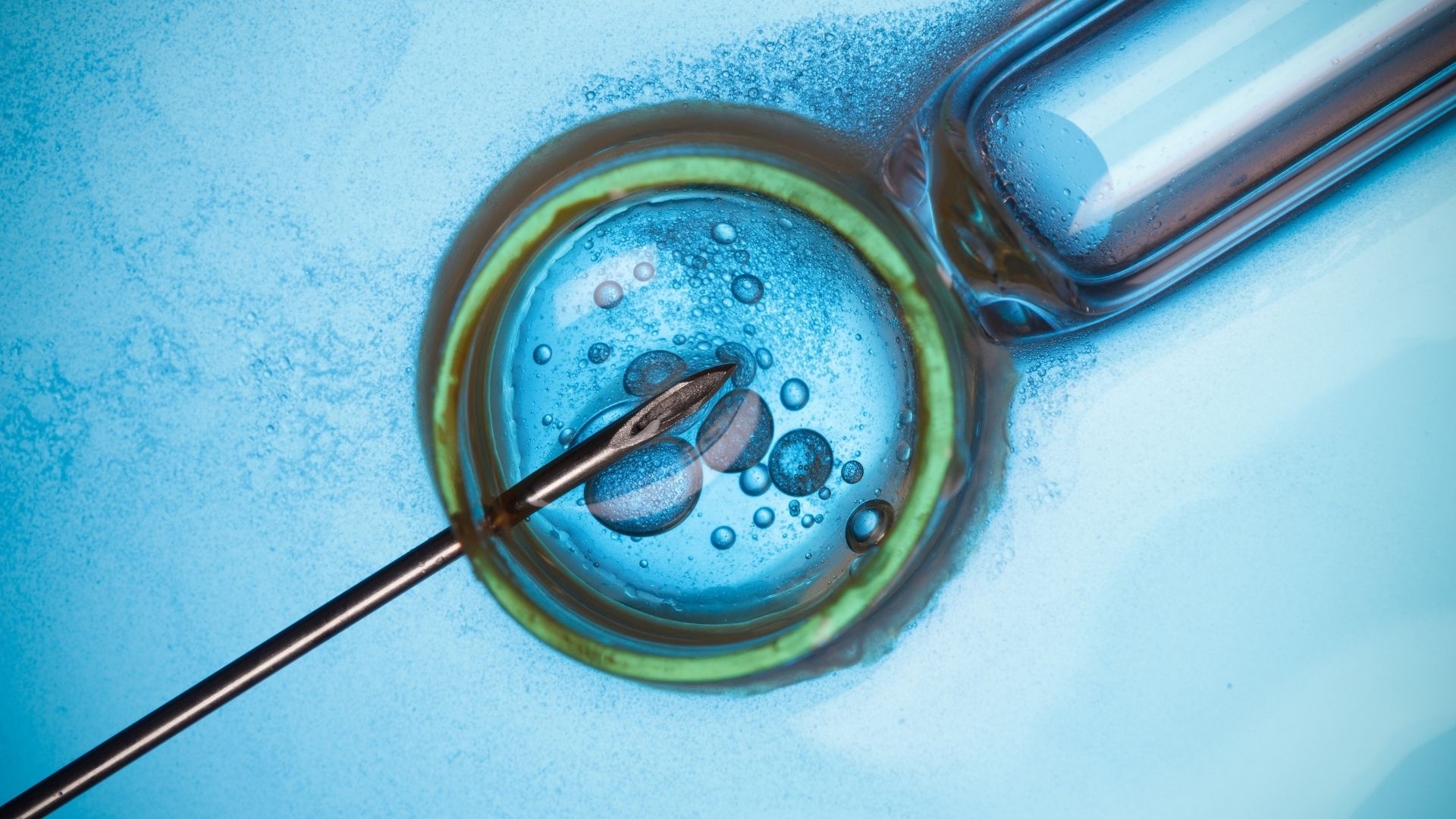
Which methods are used in Preimplantation Genetic Testing?
PGT is performed using DNA obtained from a Day-3 blastomere biopsy or a Day-5 trophectoderm biopsy. In a Day-3 biopsy, a single cell is sent to the genetics center. In a Day-5 biopsy, there are typically 5–9 cells. Except for certain special situations, Day-5 biopsy is preferred because its reliability is higher. In our center, we perform analyses based on Day-5 biopsy. Because time is needed to complete testing after a Day-5 biopsy, embryos are frozen.
The main methods used in Preimplantation Genetic Testing are as follows:
- PGT-M (Monogenic): In this method, a “family-specific” test is designed. Each family is evaluated like a separate project. A preliminary setup is prepared according to the mutation present in the family. The test is designed to detect the mutation, and specific tracking markers that segregate with the mutation are also defined to ensure verification of the assay. Embryos are analyzed using this personalized kit, and healthy embryos are selected. The analysis is performed using DNA obtained from the 5–9 cells taken from the embryo. Today, in routine practice, designs are created only for high-risk genes identified for the family; all genes in the human genome are not routinely evaluated. Research studies have begun worldwide to evaluate all genes from biopsy-derived DNA, but it will take time to enter routine practice. Alternatively, at our center, if families wish, testing can be limited to the disorder known in the family and the reason for referral; or, before IVF, expanded carrier screening can be performed in both partners (Whole Exome Sequencing—WES) to assess whether the couple is at risk for additional conditions. If necessary, risk variants in 4–5 or more genes can be identified and screened in embryos. Even with these approaches, all genes in the embryo are not assessed. However, except for de novo variants arising in the embryo, inherited conditions originating from the parents can be evaluated to a significant extent.
- PGT-A (Aneuploidy): This method evaluates chromosomal numbers in embryos. It is used especially in couples with advanced maternal age, fertility problems, or recurrent pregnancy loss. Embryos with chromosomal abnormalities are identified, and healthy embryos are selected for transfer to the uterus.
- PGT-SR (Structural Rearrangements): This method is used when one or both parents carry structural chromosomal changes. Structural chromosomal abnormalities in embryos are examined, and healthy embryos are selected for transfer. However, in some cases—especially when the translocated segment is very small—additional tests may be planned by defining certain markers to increase reliability.
In our center, these procedures are performed using next-generation sequencing.
How Is Preimplantation Genetic Testing (PGT) Performed? How Does the Process Work?
Preimplantation Genetic Testing (PGT) generally involves the following steps:
- Egg retrieval and preparation stages: During the IVF process, ovarian stimulation is administered to the woman. Having a higher number of eggs increases the chance of obtaining a healthy embryo. However, producing too many eggs can also create risks, and this balance is managed by the IVF center. Sometimes only one embryo may be obtained in a cycle. In such cases, biopsies can be taken from the small number of embryos obtained over several consecutive cycles and the embryos can be frozen, increasing the chance of identifying a healthy embryo. In some cases, standard stimulation may fail and the number of eggs obtained may be much higher or lower than expected. The underlying reason may be genetic variants (such as variants in the FSHR gene). If unexpected outcomes occur during IVF, contacting our center allows the necessary tests to be planned, and treatment durations and dosages can be adjusted based on the individual’s genetic variants.
- Embryo Development: Fertilized eggs develop into embryos and are cultured in the laboratory for several days. Embryos are monitored until they reach a specific developmental stage.
- Cell Biopsy: Embryos are followed until they reach a specific developmental stage. On Day 5, a trophectoderm biopsy is taken into tubes containing transport media to be provided by our center. After biopsy, embryos are frozen.
-
Genetic Analysis:
Biopsied cells are analyzed in a genetic laboratory. In PGT-M, it is determined whether embryos carry a specific genetic disorder. In PGT-A, the chromosomal numbers of embryos are evaluated.
Biopsies are delivered to our center in special tubes. The initial steps are performed within the received tubes to avoid losing the very small number of cells. DNA is amplified using WGA (whole genome amplification). Once the whole genome is amplified, both the family’s risk variant region and the presence of chromosomal disorders can be investigated from the same biopsy. These methods are most often used sequentially: first, embryos are screened for the variant(s) of interest and healthy embryos are identified; then, chromosomal disorders are assessed in those healthy embryos. This also prevents unnecessary costs.
- Selection of Healthy Embryos: Based on the genetic analysis results, genetically healthy embryos are identified and selected for transfer to the uterus.
- Transfer to the Uterus: Healthy embryos are transferred to the woman’s uterus, initiating the process of establishing pregnancy.
The PGT process requires sensitive techniques and equipment to determine the accuracy of genetic analysis and whether embryos are healthy. This process involves a range of ethical, medical, and emotional challenges and requires couples to work with a genetic counselor and be informed in detail.
Which Conditions Can Preimplantation Genetic Testing (PGT) Diagnose?
A) For Chromosomal Disorders (PGT-A and PGT-SR)
PGT-A is used to screen for all chromosomal aneuploidies or large deletions and duplications.
Using the FISH method, aneuploidy of certain chromosomes can be investigated. Its advantage is that it can be performed on a Day-3 biopsy without the need to freeze the embryo. Because the procedures can be completed very quickly, once a healthy embryo is identified it can be transferred immediately. A single cell is taken in the biopsy. Special fluorescent dyes called “probes,” which bind only to specific chromosomes, are used. However, because the analysis is performed on a single cell, reliability is lower. While FISH was previously used to investigate common numerical chromosomal abnormalities, today it has largely been abandoned in most centers due to its low reliability.
Today, next-generation sequencing (NGS)-based methods are used. With very little DNA, they can show numerical changes across all chromosomes in the embryo. For this, WGA is performed on the 5–9 cells obtained from a Day-5 biopsy, and the number of all chromosomes (PGT-A) or, if necessary, segmental losses and gains in specific chromosomal regions (PGT-SR) are investigated.
Compared to PGT-A, PGT-SR is used to screen for smaller chromosomal losses and gains. It is a higher-resolution, more detailed kit and is therefore preferred for smaller segmental changes.
If the chromosome segment involved in a parental translocation is small, PGT-SR is planned. In some cases, additional molecular methods used together with family-specific markers may be required.
ESHRE (2018) recommendations for PGT-A are as follows:
- Advanced female/maternal age
- Recurrent implantation failure
- Recurrent pregnancy loss
- Severe male factor (SMF)
- Chromosomal abnormality in previous pregnancies
When individuals with these indications contact our center, we collect detailed information and plan any necessary tests or treatments that should be performed in addition to IVF. If there is another underlying cause of pregnancy loss and it is not addressed, a pregnancy achieved via IVF may also result in miscarriage. Living beings are not made up of a single gene. Due to differences across approximately 20,000 genes, each person has unique characteristics and predispositions to certain diseases. No two patients are ever exactly the same. For this reason, personalized medicine is very important and can improve treatment outcomes. You can contact our center for appropriate method selection and counseling.

B) For Single-Gene Disorders (PGT-M)
PGT-M is used for families who have or carry a single-gene disorder.
- Autosomal recessive and dominant disorders,
- X-linked inherited disorders,
- Late-onset disorders,
- Applications for HLA typing,
- Presence of cancer predisposition variants in partners
- Neurodegenerative diseases, risk for inherited heart diseases.
Testing can be performed in the embryo for one or more genetic disorders with a recurrence risk in the family.
The rate of consanguineous marriage is very high in our country. Although statistical studies report a figure of around 26% for consanguineous marriage frequency, when we also consider marriages within the same village—where genetic testing often shows high genetic similarity—it is known that the rate is much higher than reported in some regions. In consanguineous couples, the probability that both partners are carriers for at least one disorder is approximately 30%, and the probability of carrying more than one mutation is around 7–10%. Considering the 30% chance of identifying a mutation in consanguineous marriage, the rate of an affected child per pregnancy in these families is 7.5%.
Therefore, when counseling a consanguineous couple, detailed clinical information should be obtained from the family first, and families should be informed about testing. If expanded gene panels that assess many genes (see: Pregnarisk) are performed before IVF, PGD can be planned based on these results. Risks related to consanguinity can be reduced significantly.
You can contact our center to select the appropriate method.
Important note: In PGT testing, the fetal risk can never be reduced to zero anywhere in the world. Therefore, pregnancy follow-up should continue, and the family should be informed about prenatal diagnosis depending on the nature of the condition.